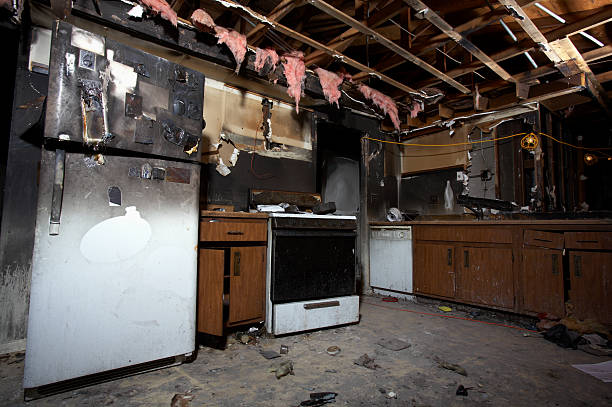
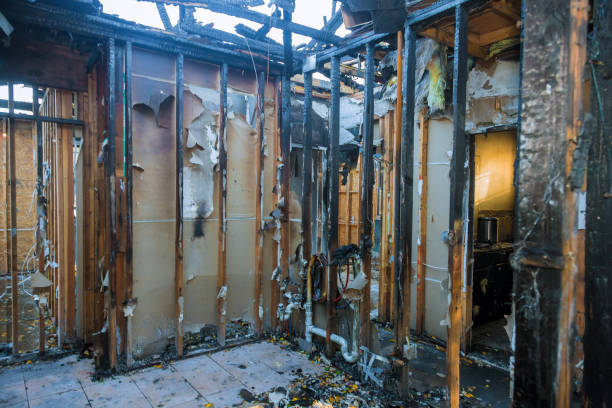
A room can smell clear and still be releasing odor compounds from inside the wall cavity for weeks. Odor Removal tests before declaring a space done.
📞 Call +1-866-484-1409 Now
Missing even one reservoir is why homeowners smell it again weeks later.
Ozone is reserved for cases where the property can be vacant.
A price quoted before equipment goes into your Clinton, OH property.
We return to confirm odor hasn't resurfaced, not just treat and leave.

Drywall, insulation, and framing get hydroxyl or thermal fogging treatment to break down absorbed odor.
Ducts, coils, and returns cleaned since they recirculate odor through the whole Clinton, OH property.
Heavily charred structural wood sealed with an odor-blocking primer when cleaning alone won't hold.
Carpets, curtains, and upholstery treated separately since fabric absorbs odor differently than hard surfaces.
Available when the Clinton, OH property can be empty during the treatment cycle.
A follow-up check confirms odor hasn't returned after a set period.
+1-866-484-1409 connects you to a live Clinton, OH dispatcher who books the odor evaluation.
Crews bring equipment for all three reservoirs — materials, ducts, and fabric.
You won't pay for duct treatment if the ducts test clean.
Treatment runs through a follow-up check, not just the initial visit.
"We'd had the walls professionally cleaned already, but the smell kept coming back until they found it was actually coming from our ductwork." — Homeowner, Clinton
"They came back two weeks later just to confirm the smell hadn't returned, which no other company had offered to do." — Homeowner, Clinton, OH
"Our curtains held onto the smell longer than anything else in the house, which surprised us until they explained why fabric behaves differently." — Homeowner, Clinton
DIY cleaning usually only addresses one of three places odor actually hides.
Yes, ducts and returns are tested and treated as a standard part of Odor Removal.
No, ozone requires the property to be vacant — we use hydroxyl for occupied spaces instead.
A real verification step, not just an assumption.
Yes, textiles absorb and release odor differently than hard surfaces and often need separate treatment.
Response times stay short across Clinton so treatment can start before odor compounds get more deeply absorbed.