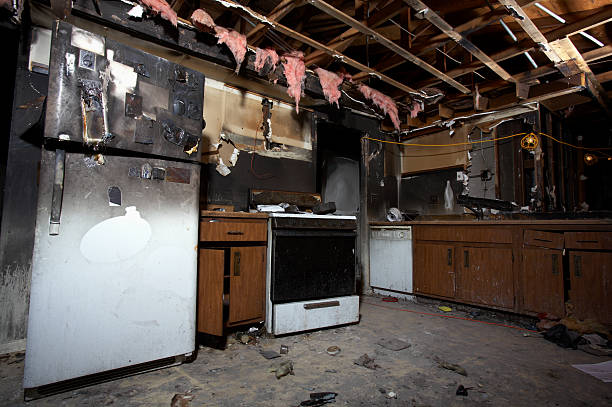
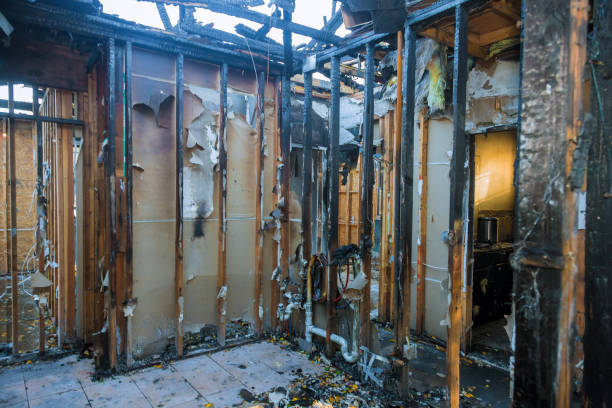
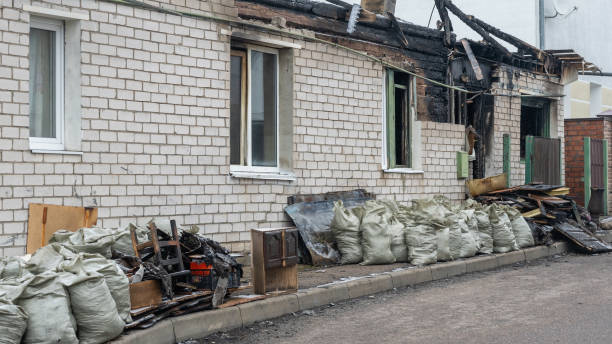
The wrong cleaning agent on the wrong residue type can set a stain deeper into a Flower Mound, TX property's surfaces, which is why our techs test before they touch anything.
📞 Call +1-866-484-1409 Now
Skipping this is how a stain ends up set deeper instead of removed.
Dry-chemical sponges for porous drywall, solvents for synthetic film.
Bonded and insured for smoke residue remediation across Flower Mound, TX.
Most calls get a technician out within the hour.

Nearly invisible film from grease and kitchen fires, broken down with enzyme-based cleaners.
Spreads fast across smooth surfaces, so those get prioritized first.
Thick, smearier residue from a smoldering fire, often needing a two-pass approach.
Spreads into fine cracks that need patient, careful sponge work.
Ductwork often carries residue into rooms that never saw visible smoke.
Wiping upholstery just redistributes residue instead of removing it.
A technician answers and lines up rapid arrival.
Crews arrive carrying test kits and agents for all four residue types.
Residue identified and a written price delivered before cleaning starts.
The job doesn't close until residue is fully addressed.
"They explained our kitchen fire left protein residue, which was why our own wipe-downs never fully got rid of the smell." — Homeowner, Flower Mound
"We'd already paid one company that couldn't touch the synthetic residue — this approach finally did." — Landlord, Flower Mound
"Learning that residue type changes the whole cleaning approach was new to me, but it made sense once explained." — Homeowner, Flower Mound, TX
Protein smoke carries a strong smell with minimal film; synthetic smoke leaves an obvious residue layer.
Wiping often spreads residue rather than lifting it, depending on the type.
Visual inspection plus a quick test guides the whole approach.
Surface cleaning and odor treatment are related but handled as separate steps.
Usually within the hour, with crews staged locally near Flower Mound.
Response times stay short across Flower Mound with agents staged for all four residue categories.