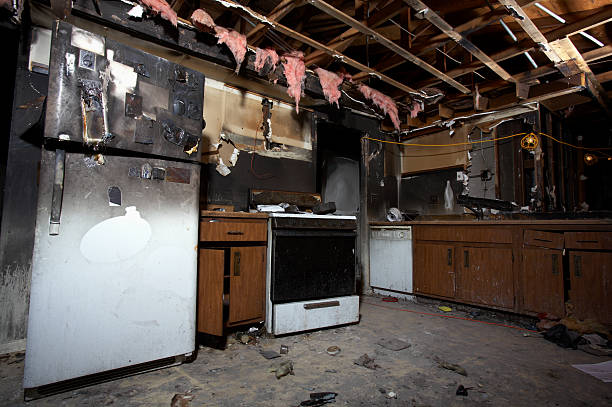
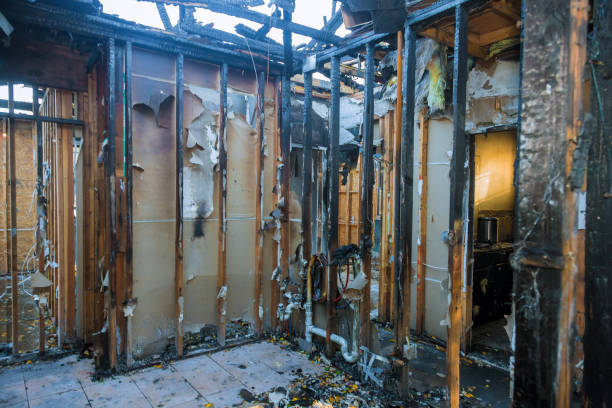
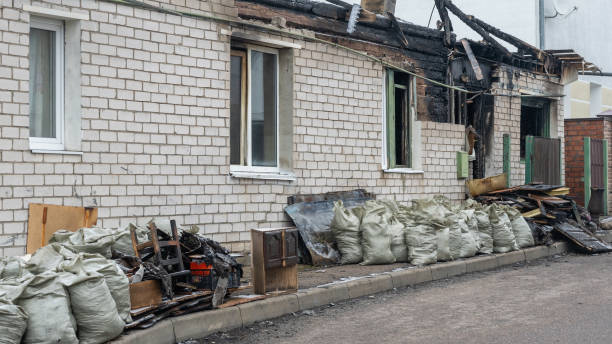
A slow, smoldering fire leaves thick wet-smoke residue; a fast, hot fire leaves powdery dry-smoke residue — one cleaning method rarely handles both well.
📞 Call +1-866-484-1409 Now
Protein, synthetic, wet, or dry — identified before any surface gets touched.
Dry-chemical sponges for porous drywall, solvents for synthetic film.
Full coverage on every Smoke Damage Removal visit we run.
Most calls get a technician out within the hour.

Left alone, this residue tends to yellow surfaces gradually.
Sticky film from burning plastics, lifted with solvents that won't absorb into the surface.
Thick, smearier residue from a smoldering fire, often needing a two-pass approach.
Spreads into fine cracks that need patient, careful sponge work.
Tested and treated on the same visit, not a follow-up call.
Wiping upholstery just redistributes residue instead of removing it.
A technician answers and lines up rapid arrival.
Crews arrive carrying test kits and agents for all four residue types.
You sign off on the plan before anything is treated.
Cleaning proceeds surface by surface, confirmed at final inspection.
"They explained our kitchen fire left protein residue, which was why our own wipe-downs never fully got rid of the smell." — Homeowner, Kirkland
"A different company had already failed on the sticky residue from our melted microwave. Meridian Smoke Damage's solvent method actually worked." — Landlord, Kirkland
"Learning that residue type changes the whole cleaning approach was new to me, but it made sense once explained." — Homeowner, Kirkland, WA
Protein smoke carries a strong smell with minimal film; synthetic smoke leaves an obvious residue layer.
Wiping often spreads residue rather than lifting it, depending on the type.
A small test area tells us which method will actually work.
Removing visible residue doesn't always eliminate the lingering smell.
Usually within the hour, with crews staged locally near Kirkland.
Response times stay short across Kirkland with agents staged for all four residue categories.