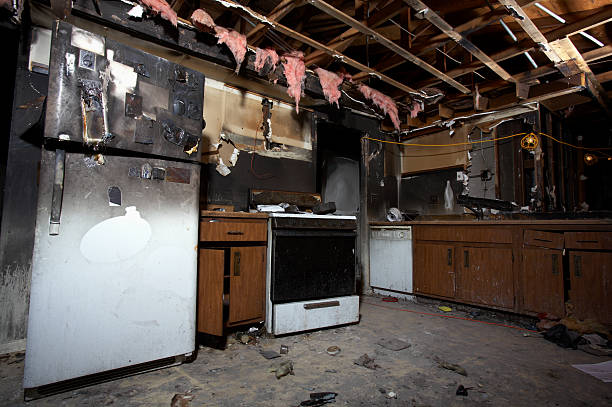
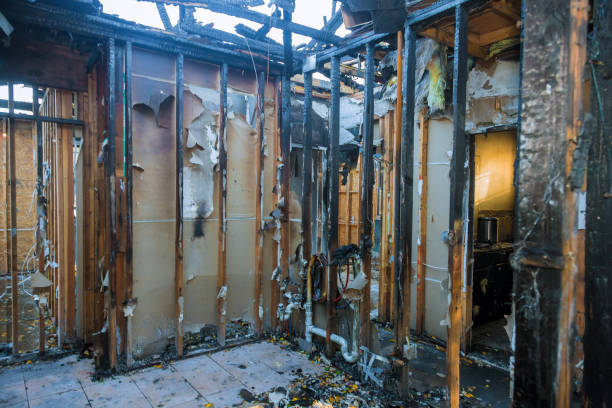
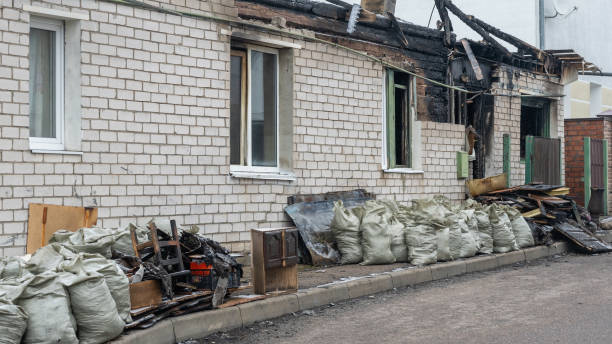
A rag dragged across soot almost always drives it deeper into whatever's underneath. Soot Cleanup avoids that by matching the tool to the surface class first.
📞 Call +1-866-484-1409 Now
Treating both classes the same way is the most common soot-cleanup mistake.
Dry-chemical sponges for porous materials, solvent agents for non-porous ones.
Local Missouri City dispatch keeps that window from closing before we arrive.
A standard shop vacuum does the opposite of what's needed here.

Dry-chemical sponge work lifts embedded particulate without pushing it deeper.
Wetting a soot-loaded carpet before vacuuming just sets the stain.
A completely different chemistry than what porous drywall responds to.
This track gets prioritized first because the corrosion clock doesn't pause for anything else.
Ceilings get worked before walls so falling particulate doesn't recontaminate finished surfaces below.
A property can look clean and still be recirculating particulate through the ducts.
A technician answers and mobilizes the nearest available crew.
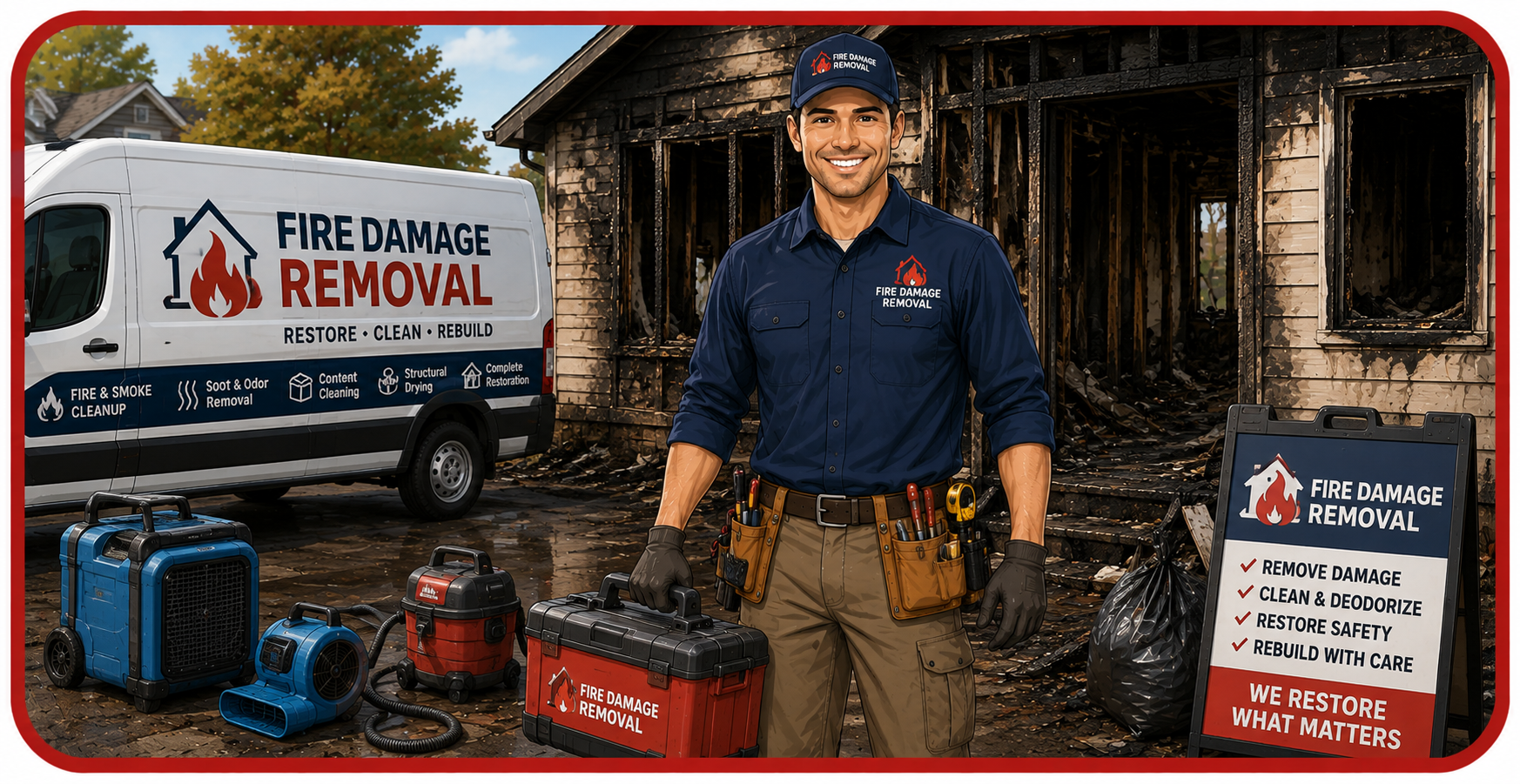
Crews arrive carrying tools for both the porous and non-porous tracks.
You see the plan split by surface class before approving anything.
The job isn't finished until every classified surface has been addressed.
"I didn't realize our drywall and our tile backsplash needed totally different cleaning approaches until they explained the classification step." — Homeowner, Missouri City
"Fast response on the metal fixtures meant we avoided the corrosion damage a slower crew might have missed." — Homeowner, Missouri City, TX
"Watching them vacuum the carpet before doing anything wet made sense once they explained wetting soot-loaded fiber just sets the stain." — Homeowner, Missouri City
Porous materials absorb soot into the surface itself; non-porous ones just hold it on top.
We test each surface individually rather than assuming one method works everywhere.
That window is a major reason response speed matters here.
Cleaning reduces odor, but persistent smell sometimes needs a separate treatment.
Yes, as long as HEPA extraction happens before any wet cleaning step.
Response times stay short across Missouri City specifically because the corrosion window on metal fixtures doesn't wait.