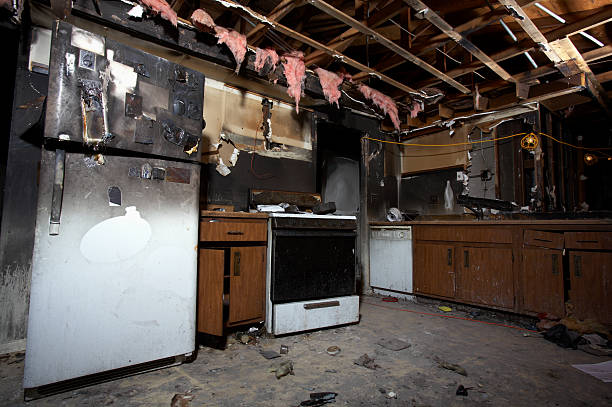
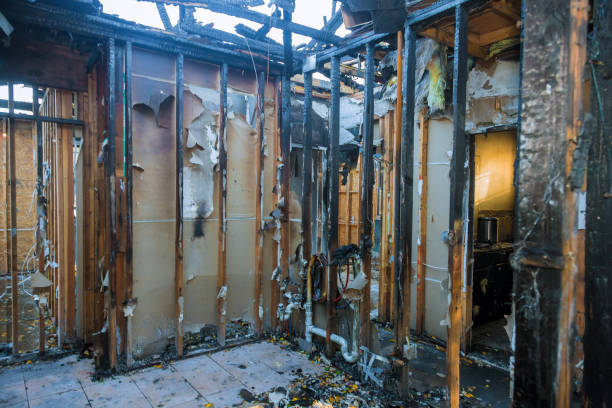
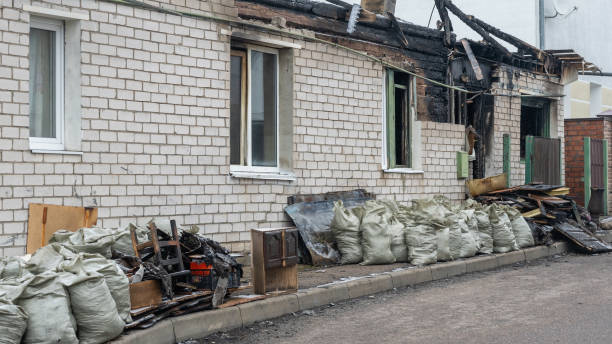
Acidic soot residue starts corroding unprotected metal within roughly two days in Glenwood City, WI conditions, which is why classification happens fast, not as a leisurely first step.
📞 Call +1-866-484-1409 Now
Treating both classes the same way is the most common soot-cleanup mistake.
Dry-chemical sponges for porous materials, solvent agents for non-porous ones.
Metal fixtures get attention early since acidic residue starts pitting fast.
Fine particulate captured rather than recirculated back into the air.

Dry-chemical sponge work lifts embedded particulate without pushing it deeper.
HEPA extraction pulls particulate before any wet cleaning ever touches the fiber.
Solvent-based agents lift residue that a dry sponge would just smear across a hard surface.
This track gets prioritized first because the corrosion clock doesn't pause for anything else.
Ceilings get worked before walls so falling particulate doesn't recontaminate finished surfaces below.
A property can look clean and still be recirculating particulate through the ducts.
A technician answers and mobilizes the nearest available crew.
No return trip needed once the surface classification is done.
Every surface gets classified and priced before any cleaning starts.
Both tracks get worked through to a final inspection you sign off on.
"Learning that porous and non-porous surfaces get treated completely differently was new information, but it made sense once explained." — Homeowner, Glenwood City
"Fast response on the metal fixtures meant we avoided the corrosion damage a slower crew might have missed." — Homeowner, Glenwood City, WI
"The HEPA extraction step before any wet cleaning turned out to be the reason our carpet actually came clean." — Homeowner, Glenwood City
Porous materials absorb soot into the surface itself; non-porous ones just hold it on top.
Classification happens before any cleaning tool comes out.
That window is a major reason response speed matters here.
Cleaning reduces odor, but persistent smell sometimes needs a separate treatment.
Yes, as long as HEPA extraction happens before any wet cleaning step.
Response times stay short across Glenwood City specifically because the corrosion window on metal fixtures doesn't wait.